Residential Propane Leak Checks
Jul 11, 2025
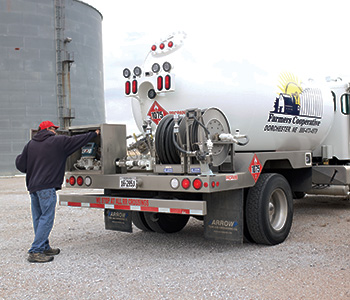
Propane is a clean, efficient, and versatile fuel source used in millions of homes across the country. It powers everything from furnaces and water heaters to stoves, fireplaces, and outdoor grills. While propane is generally safe when used correctly, it is still a flammable gas that must be handled with care. One of the most important safety measures homeowners can take is scheduling regular propane leak checks.
What Is a Residential Propane Leak Check?
A residential propane leak check is a test performed on your home’s propane gas system to ensure there are no leaks in the piping, fittings, valves, or appliances. This check is typically carried out by a licensed propane technician using specialized tools and procedures to verify the integrity of the system.
Leak checks are not just routine maintenance, they are often required by law under specific circumstances, including:
As a reminder, if you are planning to contract residential propane service, the deadline to sign up is July 11th. Don’t wait—secure your propane service today to ensure you’re ready for the season ahead!
What Is a Residential Propane Leak Check?
A residential propane leak check is a test performed on your home’s propane gas system to ensure there are no leaks in the piping, fittings, valves, or appliances. This check is typically carried out by a licensed propane technician using specialized tools and procedures to verify the integrity of the system.
Leak checks are not just routine maintenance, they are often required by law under specific circumstances, including:
- If the tank runs empty
- Following an interruption in service
- When any part of the gas system has been repaired, modified, or newly installed
- As part of annual safety inspections
As a reminder, if you are planning to contract residential propane service, the deadline to sign up is July 11th. Don’t wait—secure your propane service today to ensure you’re ready for the season ahead!