Tire Service: Quick, Reliable, and Certified
Apr 23, 2025
Article written by Brent Colgrove, Tire Manager
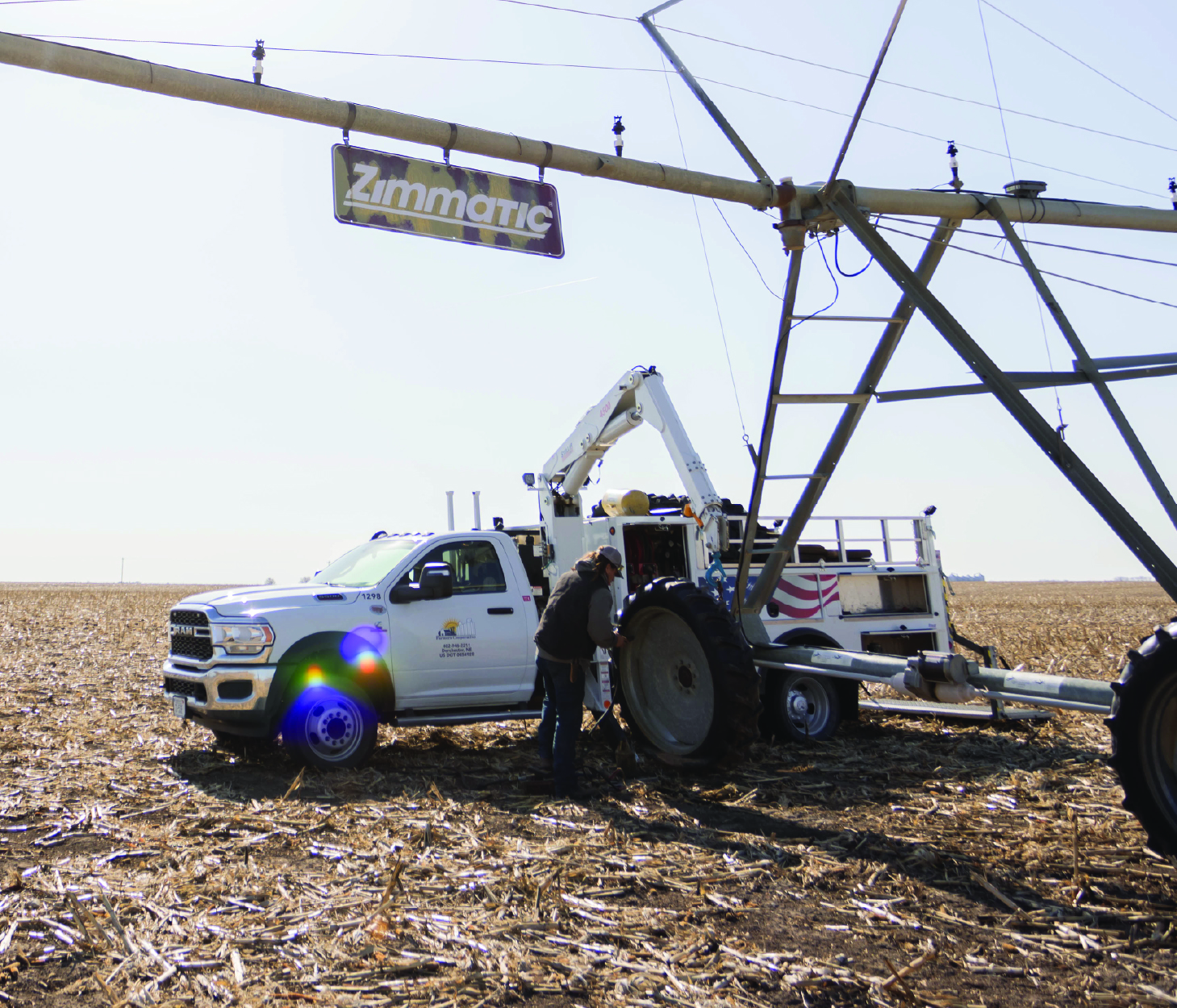
Farmers Cooperative works hard to provide quick and reliable on-the-farm tire service.
In Plymouth, we operate five service trucks, each with a dedicated operator to serve your needs. Fairbury also has a full-time service truck ready to roll out to your farm. Firth is equipped with a service truck and operator, and at the Pony, south of Hanover, we have two full-time service trucks staffed by highly experienced operators.
Safety is a top priority at our Farmers Cooperative tire centers. All of our technicians are Tier 200 TIRE INDUSTRY ASSOCIATION (TIA) certified in Commercial Medium Truck Tire Training—a prerequisite for all tire personnel as outlined by OSHA. Every tire department employee has completed this certification class and is properly trained.
Farmers Cooperative is proud to have the only TIA-certified off-road tire instructor in the region, who trains our employees in the correct methods for dismounting, repairing, and replacing loader, grader, and scraper tires.
We’re also backed by experience. Several of our managers and employees have over 20 years in the commercial and farm tire industry. We continually invest in our team and our services, with new trucks and equipment to ensure safety and efficiency. Ten of our tire centers are equipped with farm/truck tire machines, making the job not only faster but safer too.
So when you're looking for an experienced team to handle your farm tire needs—including loaders, scrapers, graders, and trucks—give the Farmers Cooperative tire team a try.
Thank you for your continued support.